How to Get Enough Protein on a Plant-Based Diet
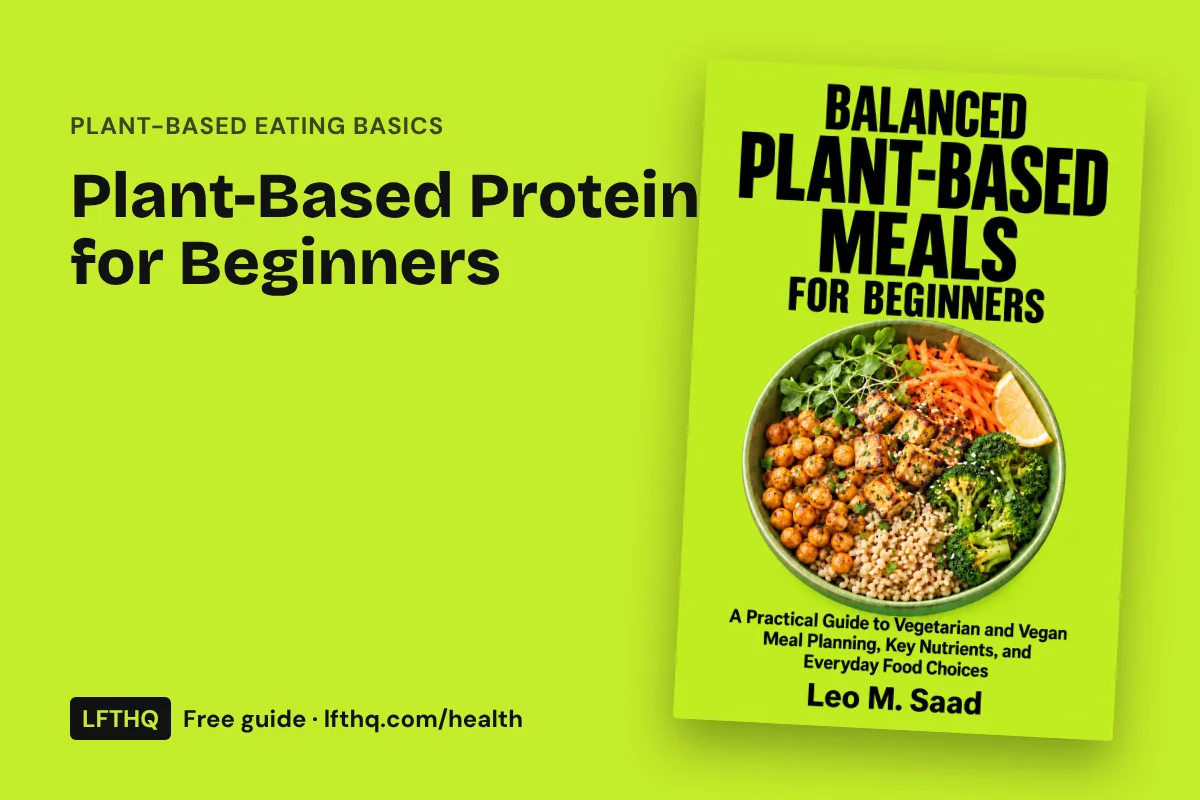
“Where do you get your protein?” is the first question most new plant-based eaters hear. The honest answer: from beans, soy, lentils, grains, nuts, and seeds, as long as you actually eat them regularly.
How much protein do you need?
The standard recommendation for healthy adults in the U.S. is 0.8 grams of protein per kilogram of body weight per day. For a person who weighs 70 kg (about 154 lb), that is about 56 grams.
People who lift weights and want to build muscle often aim higher. A 2018 meta-analysis by Morton and colleagues found that, in the studies it reviewed, gains in muscle from protein intake tended to level off at around 1.6 g per kg per day. That number is a useful upper guide for active people, not a requirement for everyone.
Do you need to combine proteins?
Not at every meal. Plant proteins differ in their amino acid mix, and an old idea said you had to pair them, such as beans with rice, in the same meal. The Academy of Nutrition and Dietetics' position on vegetarian diets says a variety of plant foods eaten over the course of the day can supply all the essential amino acids. Variety across the day is what matters.
Plant foods with the most protein
Amounts are approximate and vary by brand and preparation, so check the Nutrition Facts label when there is one:
- Lentils, cooked, 1 cup: about 18 g
- Edamame, shelled, 1 cup: about 17 g
- Tempeh, 3 oz: about 15 to 17 g
- Black beans or chickpeas, cooked, 1 cup: about 14 to 15 g
- Tofu, firm, 3 oz: often 8 to 14 g, depending on the brand
- Seitan: often 20 g or more per serving (it is made from wheat gluten, so it is not for people who avoid gluten)
- Soy milk, 1 cup: about 7 to 8 g. Most almond and oat milks have far less.
- Peanut butter, 2 tablespoons: about 7 g
Whole grains, nuts, and seeds add smaller amounts that still count toward the day.
An example day
Here is one way a day can reach roughly 60 to 70 grams without protein powder:
- Breakfast: oatmeal made with soy milk, topped with 2 tablespoons of peanut butter (about 18 g).
- Lunch: a big lentil soup with whole-grain bread (about 20 g).
- Snack: a cup of edamame (about 17 g).
- Dinner: stir-fried tofu with vegetables over brown rice (about 15 to 20 g).
The numbers will not match your day exactly, and they do not need to. The pattern is what helps: a protein food at every meal.
Easy ways to add more
- Keep canned beans and lentils in the cupboard. Rinse and add to salads, pasta, and soups.
- Choose soy milk if you use plant milk in coffee, cereal, or smoothies.
- Buy pre-cooked or frozen edamame for quick snacks.
- Cook a batch of tofu or tempeh on the weekend for easy lunches.
- Use hummus or bean dips instead of low-protein spreads.
Sources
- Melina, V., Craig, W., & Levin, S. Position of the Academy of Nutrition and Dietetics: Vegetarian Diets. Journal of the Academy of Nutrition and Dietetics, 116(12), 1970–1980 (2016). doi.org/10.1016/j.jand.2016.09.025
- Morton, R. W., et al. A systematic review, meta-analysis and meta-regression of the effect of protein supplementation on resistance training-induced gains in muscle mass and strength in healthy adults. British Journal of Sports Medicine, 52(6), 376–384 (2018). doi.org/10.1136/bjsports-2017-097608
- USDA Agricultural Research Service. FoodData Central. fdc.nal.usda.gov/
This article is general nutrition information, not medical advice. If you are pregnant or breastfeeding, have a health condition, take medication, or are planning a diet for a child, talk with a doctor or a registered dietitian before making big changes.